
Cooking Oil Recycling
How Used Cooking Oil Recycling Protects The Environment
SCHEDULE OIL PICKUP..
We Buy Used Oil In Bulk From Restaurant.
How Cooking Oil Recycling Works
Why Restaurants Should Recycle Used Cooking Oil
Restaurants produce large amounts of used cooking oil every day, especially from deep fryers and high-volume food preparation. Instead of treating this oil as ordinary food waste, food service businesses can send it to a recycling facility where it can be processed and recycled for different purposes. Restaurant oil recycling helps keep valuable materials in circulation while reducing the amount of waste that requires disposal. Cooking oil recycling begins when used fryer oil is collected and transported to a processing facility, where it is filtered to remove food particles, sediment, water, and other unwanted materials.
Once the oil has been cleaned, it can be further processed and refined into useful feedstock for products such as biodiesel, renewable diesel, sustainable aviation fuel, soaps, lubricants, and other industrial materials. This gives used vegetable oil a useful second life and supports more efficient use of resources. For commercial kitchens, recycling cooking oil provides a practical way to manage a common byproduct while reducing waste and supporting renewable energy production. It also keeps recoverable materials in circulation rather than allowing them to become an unnecessary burden on disposal systems.
How Used Cooking Oil Recycling Is Done in Los Angeles
A grease recycling facility handles used cooking oil through several steps to remove unwanted materials and prepare the oil for further processing. After used cooking oil collection, fryer oil arrives containing food particles, water, sediment, and other impurities that need to be separated. The oil is first inspected and transferred into processing equipment designed for commercial volumes. From there, it moves through filtration and separation stages that improve its quality and prepare it for further refining. Each stage helps recover usable oil and ensures the material is ready for its next purpose.
First, used cooking oil is checked for contaminants.
Filters remove solid food waste and debris.
Processing separates water and unwanted materials from oil.
Cleaned oil undergoes additional treatment before conversion.
Recycled oil becomes fuel and other products.
A well-managed recycling system allows commercial kitchens to turn a routine waste stream into a useful resource. The value of this approach goes beyond simply removing unwanted fryer oil from a restaurant. It connects food businesses with industries that can recover materials that would otherwise be lost. For restaurants, this means their daily kitchen operations can contribute to a broader resource-recovery system without changing how they prepare food. On a larger scale, consistent restaurant oil recycling helps create demand for recovered materials and supports a more circular approach to waste management.
Types of Waste Cooking Oil Restaurants Can Send for Grease Recycling
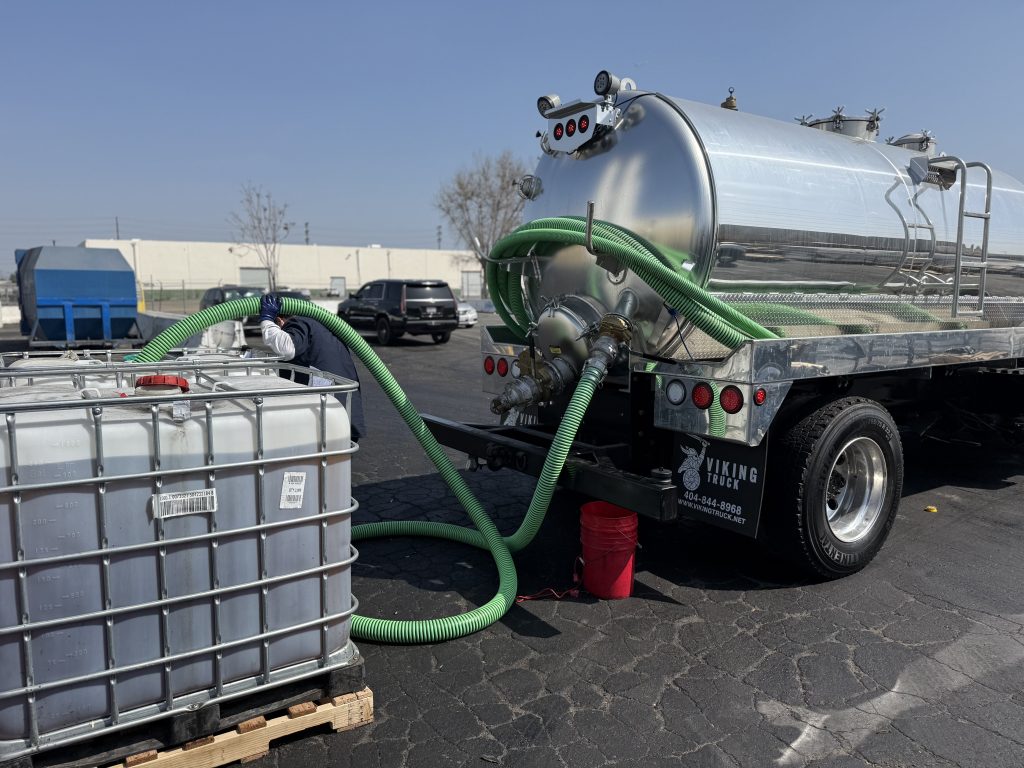
Oil is one of the most important ingredients in commercial food preparation. From small neighborhood restaurants to busy fast-food chains, kitchens use large amounts of cooking oil throughout the day for frying, sautéing, baking, and preparing different types of food. Once that oil has been used repeatedly and is no longer suitable for cooking, it becomes a common kitchen byproduct that can still have a useful purpose. The type of oil used in a kitchen can vary widely, including canola, soybean, corn, sunflower, peanut, palm, coconut, olive, and other vegetable oils. Used fryer oil is especially common in restaurants that prepare large quantities of fried food. Hotels, cafeterias, bakeries, supermarkets, and food production facilities may also have significant quantities of used edible oil. Because different oils have different properties, used oil buyers may evaluate them separately or handle certain oils together depending on their composition and condition.
Need Help With Restaurant Cooking Oil Recycling?
If your restaurant has 1000 or more gallons of yellow grease, contact us now to arrange Emergency oil pickup and learn how your oil can enter the used cooking oil recycling process.

Before Grease Recycling
What Restaurants Should Know Before Recycling Used Oil
Keep Used Oil Separate From Other Waste
Used cooking oil should always be kept separate from other restaurant waste from the moment it leaves the fryer. Food scraps, water, cleaning chemicals, sauces, and other liquids can easily end up in a storage container if kitchen staff are not careful. These materials can affect the condition of the oil and make handling more difficult. Restaurants should use a dedicated container for their used cooking oil and avoid adding anything that does not belong there. Fryer baskets and other equipment should also be emptied carefully so large food particles do not fall into the oil. Keeping different waste materials apart is especially important for businesses that produce large amounts of kitchen grease. A clean container with properly stored oil makes it easier to maintain a consistent supply of used vegetable oil for recycling.
Choose The Right Container For Proper used Cooking Oil Storage
Choosing the right container is an important part of storing used cooking oil safely in a busy restaurant. The container should be strong, leak-resistant, and suitable for holding warm or cooled oil without cracking, bending, or allowing spills. Commercial kitchens should use a dedicated container rather than repurposing bins that previously held chemicals, cleaning products, or unrelated waste. The opening should also be wide enough for staff to pour oil without creating unnecessary spills around the kitchen. Containers should remain covered when not in use to keep out rain, dust, food debris, and other unwanted materials. For larger restaurants, properly sized storage containers can make handling high volumes of fryer oil much easier. Keeping the container in a secure, accessible location also helps staff follow consistent kitchen oil recycling practices and prevents contamination during storage.
What Can Contaminate Recyclable Cooking Oil
Several common materials can contaminate yellow grease and affect suitability for cooking oil recycling. Water is one of the main concerns because it can enter the oil during cooking, cleaning, or outdoor storage. Food scraps, crumbs, batter, meat pieces, and other solids can also accumulate when fryer oil is emptied without proper filtering. Cleaning chemicals, detergents, grease trap waste, sauces, and other kitchen liquids should never be mixed with cooking oil. Dirt, dust, packaging materials, and general trash can create additional contamination when oil is stored in open or unsuitable containers. Restaurants should also avoid mixing cooking oil with automotive fluids, lubricants, or other non-food oils. Keeping these materials away from used vegetable oil helps maintain a cleaner product and makes it easier for recyclers to determine how the material can be handled. Good kitchen practices and dedicated storage can prevent most avoidable contamination before the oil leaves the restaurant.
Reliable Grease Haulers!
Why Restaurants Trust Us With Their Recyclable Used Cooking Oil
We help restaurants move used cooking oil toward responsible recycling through dependable collection, proper handling, and established recycling channels.

Proper Handling
We keeps recyclable cooking oil away from all sort of contaminations.

AVAILABLE 24/7
We're available 24/7 to assist in Used cooking oil recycling for restaurants in La.

Responsible Recovery
We connects quality waste cooking oil with established recycling channels

Reliable Collection
The Grease Co. Helps restaurants move oil toward certified grease recycling facilities.
Proper Handlng
We keeps recyclable cooking oil away from all sort of contaminations.
AVAILABLE 24/7
We're available 24/7 to assist in Used cooking oil recycling for restaurants in La.
Reliable Collection
The Grease Co. Helps restaurants move oil toward certified grease recycling facilities.
Responsible Recovery
We connects quality waste cooking oil with established recycling channels
Businesses We Serve
Supporting Los Angeles Restaurants With Reliable Used Cooking Oil Recycling
Restaurants across Los Angeles County rely on us to help manage their used cooking oil for responsible used cooking oil recycling. From small neighborhood kitchens to busy commercial foodservice operations, we support businesses with dependable collection of fryer oil, used vegetable oil, and other recyclable cooking oils. Our work helps local restaurants participate in restaurant grease recycling without adding complexity to the daily operations of their commercial kitchens. These businesses are helping turn a common kitchen byproduct into a useful resource while taking part in a greener, more responsible future.






Common Questions Answered
Frequently Questions About Used Cooking Oil Recycling
Get clear answers about selling used cooking oil, pricing, and recycling from professional waste oil buyers in LA.
1. Can I put cooking oil in my recycling bin?
No, you should not put used cooking oil in your recycling bin. Liquid oil can contaminate paper, cardboard, and other recyclable materials, while also creating problems for sorting equipment. Instead, allow the oil to cool, place it in a sealed used oil container, and follow your local disposal or recycling guidelines. For restaurants waste oil should be stored separately and handled through an appropriate cooking oil recycling service or collection program.
2. What do companies do with old cooking oil?
Companies collect used cooking oil from restaurants, hotels, fast-food businesses, and other commercial kitchens, then transport it to processing facilities. There, the oil is filtered and treated to remove water, food particles, and other unwanted materials. After cleaning, the recovered oil can be used as a raw material for different products. Depending on the processing method, it may become biodiesel, renewable diesel, sustainable aviation fuel, animal feed ingredients, soaps, detergents, cosmetics, lubricants, and other industrial products. This gives old cooking oil a useful purpose instead of treating it as ordinary waste. The process also allows businesses to participate in used cooking oil recycling and support sustainable future.
3. Can vegetable oil be recycled after frying?
Yes, used vegetable oil can be recycled even after it is no longer suitable for cooking. Grease recycling company can process it into biodiesel, renewable fuels, and other useful products. However, used oil should never be poured down a drain, where it can harden, accumulate, and cause serious plumbing blockages.
4. Can contaminated cooking oil still be recycled?
Yes, used cooking oil with small amounts of food particles or water can usually still be recycled. Commercial processing facilities can filter and separate these common impurities before further processing. However, used vegetable oil mixed with motor oil, cleaning chemicals, detergents, bleach, or other hazardous substances may no longer be suitable for normal recycling. Large amounts of plastic, foil, or general trash can also create problems during processing. Restaurants should keep their cooking oil separate from other waste and avoid adding anything that does not belong in the container. Keeping contamination low helps maintain the quality of cooking oil recycling and makes it easier for companies to handle the material properly.
5. Can fast food restaurants recycle their cooking oil?
Fast food restaurants can recycle their used cooking oil. Instead of throwing fryer oil away, staff can store it in dedicated containers for collection. Commercial collection companies then pick up the oil and transport it for grease recycling. After collection, the oil can be cleaned and prepared for different useful products. Recycling used cooking oil also gives fast food businesses a practical way to manage large amounts of fryer oil without any additional hassle.

Customer Reviews
We needed reliable used cooking oil collection, and they delivered. Pickup is organized, professional, and easy to schedule around our busiest restaurant hours.

Daniel Brooks
Torrance
From container installation to regular pickups, their service has been excellent. Our staff knows exactly where to store oil, making everything easier daily.

Sarah Mitchell
Lancaster
Their team makes restaurant oil pickup simple. They arrived on schedule, and helped in keeping our kitchen running smoothly without business disruptions.
Michael Torres
Long Beach
Their collection team is dependable and professional. They handle our used fryer oil safely, provide documentation, and make waste management much simpler.
Jessica Parker
Pasadena