Serving Long Beach, Los Angeles County, Orange County, San Diego County, Riverside County, San Bernardino County, Hollywood, Anaheim, Carlsbad, Fontana, Moreno Valley, Hesperia, Irvine, Torrance, Inglewood, Ontario, Temecula, Burbank, Poway, Huntington Beach, Encinitas, Downey, El Monte
Poor commercial grease management practices can create problems that extend far beyond the kitchen sink. When fats, oils, and grease are handled carelessly, they can accumulate in plumbing, contribute to drainage problems, create unpleasant odors, and place additional pressure on wastewater systems. For restaurants and other commercial kitchens, these issues can interrupt daily operations and lead to unexpected maintenance expenses. Grease can also become a compliance concern when businesses fail to follow FOG control requirements or established FOG management practices. Effective restaurant grease management is therefore not simply about responding when a problem appears. It is about creating consistent habits that reduce the amount of grease entering drains, keeping cooking oil separate from other waste, training employees, and maintaining organized procedures. A proactive approach allows commercial kitchens to better control FOG, protect their plumbing infrastructure, and maintain a cleaner, more efficient working environment.
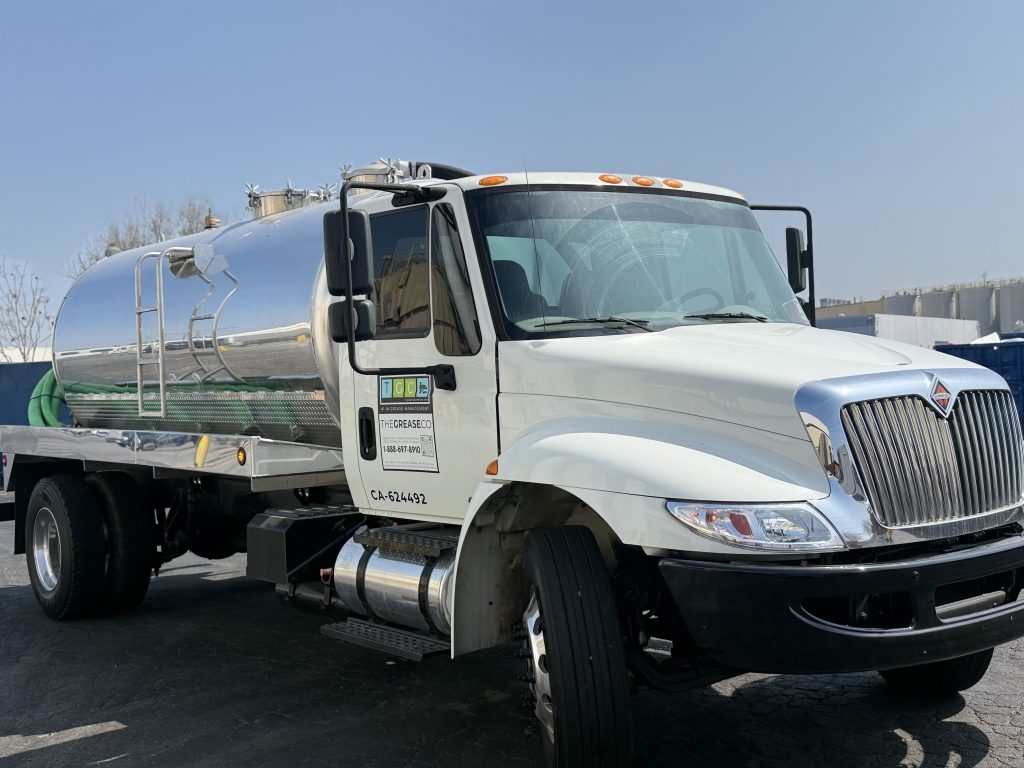
Effective commercial grease management requires a clear system for controlling fats, oils, and grease throughout the workday. Best grease management practices start with understanding where grease comes from, how it moves through the commercial kitchen, and which everyday activities can introduce unnecessary FOG into drains and wastewater systems. The goal is to prevent avoidable problems before they develop by establishing practical procedures that employees can consistently follow. This includes keeping food solids out of drains, handling used cooking oil separately, maintaining appropriate storage practices, and making sure kitchen staff understand their responsibilities. Restaurant grease management also requires oversight beyond daily kitchen habits. Managers should establish clear responsibilities, monitor whether procedures are being followed, and keep relevant records for service, inspections, and other grease-related activities. Staff training is particularly important because even well-designed procedures are ineffective when employees do not understand or follow them during busy shifts. A complete approach should also account for applicable FOG control requirements and the specific needs of each commercial kitchen. Reviewing procedures regularly can reveal weak points and opportunities for improvement.
Los Angeles County restaurants handle large amounts of cooking oil every day, from frying and sautéing to food preparation and high-volume kitchen operations. As this activity continues throughout the week, commercial kitchens can generate substantial quantities of used oil, food grease, and yellow grease. The amount varies by restaurant size, menu, cooking methods, and daily customer volume, but busy operations can produce significant quantities over time. With so many restaurants operating across Los Angeles County, responsible grease management becomes an important part of maintaining commercial kitchens and protecting local wastewater infrastructure. Following practical restaurant grease management practices can also help commercial kitchens stay aligned with Los Angeles County Sanitation District requirements. The following practices provide a practical foundation for managing grease responsibly, supporting compliance, and keeping kitchen organized.
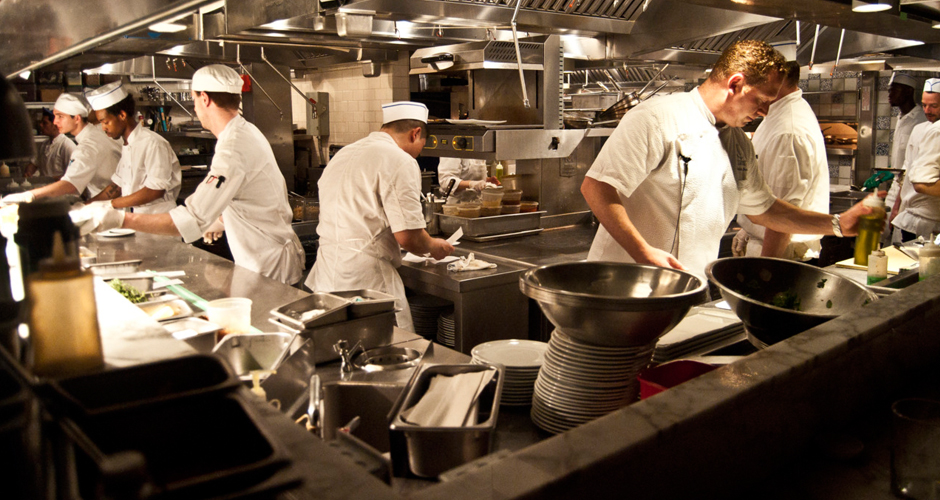
Well-trained kitchen staff play an important role in preventing unnecessary grease from entering drains and waste systems. Employees should understand proper FOG handling, recognize prohibited disposal practices, and follow established kitchen procedures consistently. Regular training helps turn grease control from a management responsibility into a shared daily practice.
Following established grease management procedures consistently helps commercial kitchens identify potential problems before they become costly disruptions. Regular inspections can reveal grease accumulation, damaged components, drainage concerns, or other conditions that require attention. On-time maintenance also helps keep kitchen systems functioning as intended and reduces the risk of unexpected operational issues. Managers should establish inspection schedules based on their kitchen’s equipment, operating volume, and applicable requirements rather than waiting for visible problems to appear. Keeping inspection and maintenance records can further help businesses track recurring concerns, document completed work, and demonstrate that grease management responsibilities are being handled systematically and responsibly.
Food scraps and solid waste should never be treated as harmless drain material in a commercial kitchen. When food particles enter sinks, they can combine with fats, oils, and grease and contribute to buildup within drainage systems. Restaurants should require employees to scrape plates, pans, utensils, and food preparation surfaces into designated waste containers before washing. Sink strainers can capture smaller particles, but they should be emptied and cleaned regularly to prevent collected material from entering the drain. Staff should also avoid using running water to push food debris through sinks or floor drains. Keeping food solids out of drainage systems is a simple but important grease management practice that helps maintain cleaner plumbing, supports FOG control, and reduces preventable drainage problems.
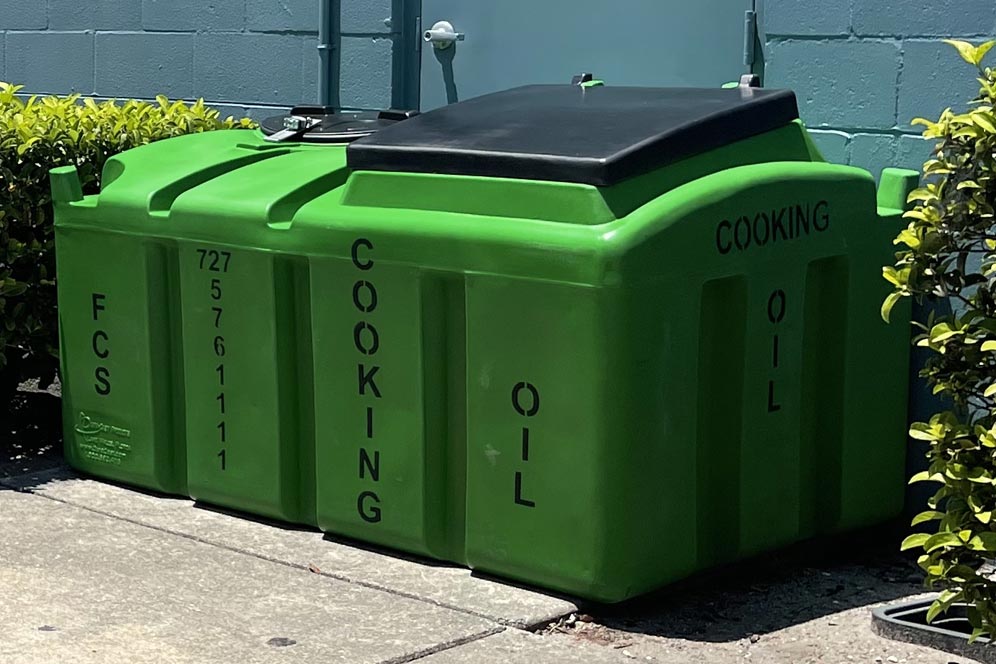
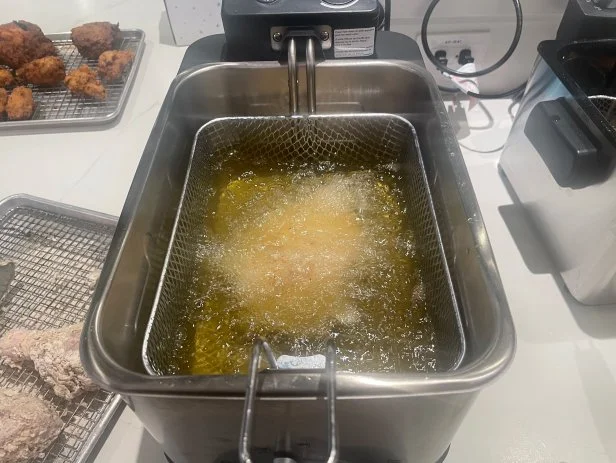
Used cooking oil should be collected and stored in suitable containers designed to safely hold liquid grease. Restaurants should use sturdy, leak-resistant containers that remain stable during daily kitchen operations and are appropriate for the volume of oil generated. Professional used cooking oil collection companies in Los Angeles County provide storage containers to participating restaurants, making proper storage easier to maintain. Containers should be kept covered when not in use to prevent water, food debris, trash, and other contaminants from entering the oil. Staff should avoid overfilling containers and keep the surrounding area clean to reduce spills and safety hazards. Proper placement is equally important, with containers kept in designated areas protected from unnecessary damage or interference. Clear labeling and consistent handling procedures can further support organized grease management and responsible oil storage.
Maintaining accurate manifest records is an important part of responsible FOG management practices for commercial kitchens. Restaurants should keep documentation related to grease service, collection, transportation, inspections, and other activities involving fats, oils, and grease. These records can help managers track when services were performed, identify recurring issues, and demonstrate that established grease management practices are being followed. For businesses operating in Los Angeles County, organized records can also support compliance with applicable FOG control requirements and wastewater management expectations. Keeping manifests and related documentation in an accessible location makes it easier to provide information when requested by property managers, regulatory authorities, or service providers. Consistent recordkeeping gives restaurant operators a clearer picture of their grease management history while supporting accountability, regulatory awareness, and better long-term commercial kitchen management.
Effective FOG management practices should be part of every commercial kitchen’s daily routine, especially in Los Angeles County, where restaurants must pay attention to applicable wastewater and FOG control requirements. Poor grease handling can contribute to drainage problems, sewer blockages, unpleasant odors, and conditions that may attract regulatory attention. Depending on the circumstances, a restaurant that fails to meet applicable requirements could face notices of violation, corrective actions, administrative penalties, or other enforcement measures from the appropriate authority. Maintaining consistent procedures, and proper grease handling can help reduce these risks. Working with a professional used cooking oil pickup service can make proper oil management easier. Qualified companies provide suitable scheduled pickups, and may purchase used cooking oil from restaurants based on volume and quality. If your restaurant has more than 1000 gallons of used cooking oil, contact us to discuss pickup options and learn whether your oil may qualify for our rebate program.
Have more than 1,000 gallons of used cooking oil available? Call 888-789-1090 to discuss professional pickup, storage options, and whether your oil qualifies for our rebate program.

We needed reliable used cooking oil collection, and they delivered. Pickup is organized, professional, and easy to schedule around our busiest restaurant hours.

Torrance
From container installation to regular pickups, their service has been excellent. Our staff knows exactly where to store oil, making everything easier daily.

Lancaster
Their team makes restaurant oil pickup simple. They arrived on schedule, and helped in keeping our kitchen running smoothly without business disruptions.
Long Beach
Their collection team is dependable and professional. They handle our used fryer oil safely, provide documentation, and make waste management much simpler.
Pasadena